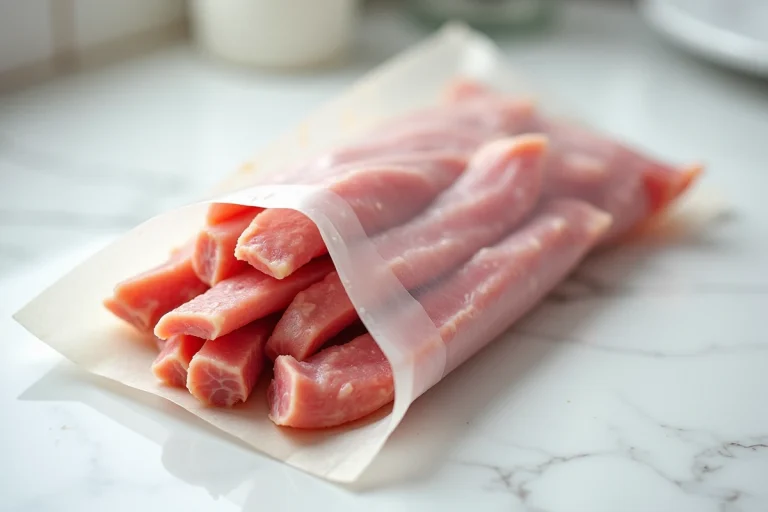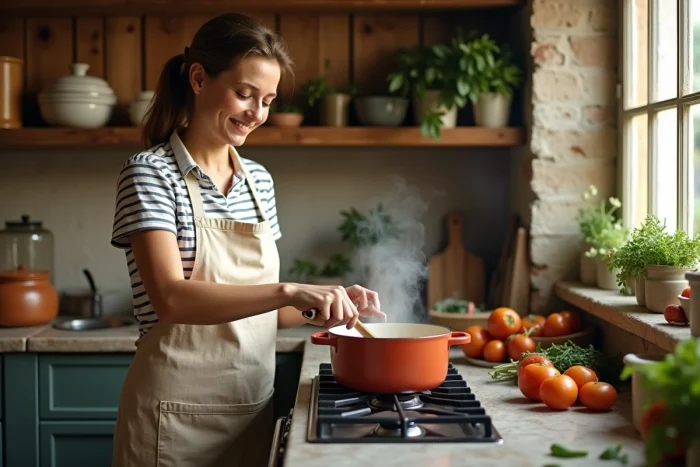
Easy recipes circulating online often boil down to combinations of ready-to-use products. Since decree n°2025-847 of November 15, 2025, the mention “ultra-processed” is mandatory on the basic ingredients for quick recipes. This regulatory change encourages a rethink of everyday cooking with raw products, without sacrificing preparation speed.
Shared cooking constraints in a household with variable configurations
Cooking easy recipes in a household with multiple dietary profiles (allergies, diets, generational preferences) requires a modular approach. The principle is based on a neutral base developed into individual variations.
Take a spring vegetable pasta dish. The base (pasta, zucchini, tomatoes) remains common. Proteins are added at the end of cooking to each plate: grilled chicken for one, poached egg for another, legumes for a third. This method reduces the number of pots and the overall time without forcing a single compromise.
For households where multiple people cook, we recommend checking out Double Portion’s recipes, which offer dishes designed for this type of organization. Task division (peeling, cooking, seasoning) works better when the recipe allows for parallel rather than sequential steps.
Shared cooking also involves mastering resting times. A dish that can withstand ten minutes of waiting covered (gratin, soup, tart) forgives timing discrepancies among household members.
Spring recipes with the first seasonal vegetables
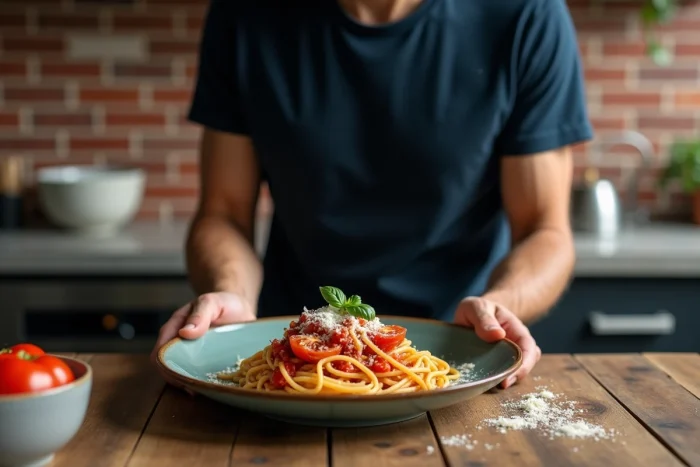
Spring vegetables (zucchini, peas, asparagus, radishes) require short cooking times. The less a seasonal vegetable is cooked, the more flavor it has. This is the opposite of winter vegetables, which benefit from simmering.
A savory tart with zucchini and fresh goat cheese can be assembled in about twenty minutes using store-bought dough (shortcrust, not puff pastry, for better holding when cut). Raw cherry tomatoes added after cooking bring acidity without excess water in the tart base.
Cold soups and quick veloutés
The cold pea soup with mint requires no cooking if the peas are frozen and thawed in warm water. An immersion blender, salt, pepper, and a spoonful of olive oil are all that’s needed. The result is cleaner in taste than a cooked soup because the chlorophyll hasn’t been degraded by heat.
Spring vegetable veloutés keep for two days in the refrigerator. We observe that the texture thickens when cold, so it’s wise to plan for a bit more liquid in the base if the dish is intended to be consumed the next day.
Weekday meals without waste: the “zero waste” logic applied to easy recipes
The annual report from ADEME on sustainable food practices confirms the rise of recipes incorporating peels and leftovers. Specifically, this involves three reflexes:
- Radish and carrot tops are transformed into pesto (blended with oil, parmesan, and sunflower seeds), usable on pasta or as a spread.
- Stale bread croutons, rubbed with garlic and baked, replace industrial croutons in soups and salads, with far superior holding power.
- A homemade broth from vegetable peels (leeks, onions, carrots) simmered on low heat for an hour serves as a base for all dishes throughout the week.
This approach works as long as peels are stored in the freezer throughout the week, then a single broth is made on Sunday. Without this organization, zero waste in the kitchen remains theoretical.
Quick recipes with eggs and potatoes: the underutilized duo
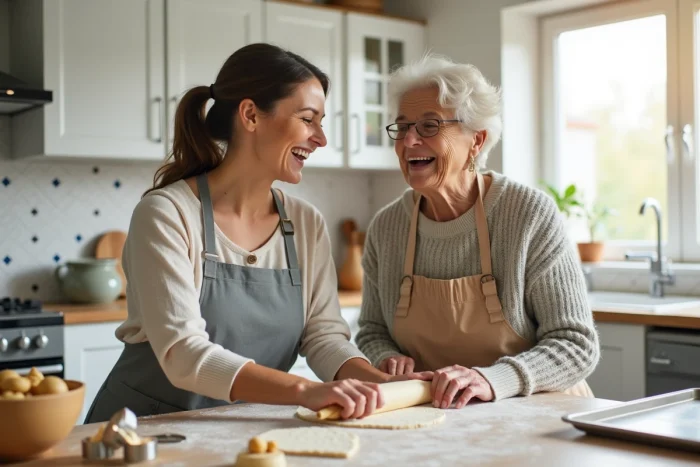
The egg is the fastest protein to cook and the most versatile in everyday cooking. Paired with potatoes, it forms a complete meal at a minimal cost.
The Spanish tortilla (precooked potatoes, beaten eggs, onion) can be prepared in under thirty minutes and is enjoyed hot or cold. It’s a dish that solves the timing issue in cohabiting households: everyone serves themselves when they arrive.
Quick variations around the egg
Baked eggs with vegetables (tomatoes, zucchini, peppers) are prepared in individual ramekins. Each person can customize their ramekin with cheese, herbs, or chili. Baking at 180 °C takes about twelve minutes, during which a salad can be prepared or bread sliced.
Hash browns (diced and sautéed with a drizzle of oil) topped with a fried egg make for a complete weekday meal. Adding pepper, a few arugula leaves, and a splash of balsamic vinegar transforms a basic dish into a composed plate.
Modular cooking: adapting a single recipe to multiple diets
Modular cooking is based on one principle: separating the base, protein, and garnish into three independent preparations. A stir-fried rice with vegetables can become vegan, vegetarian, or meaty depending on what is added at the last moment.
Asian-inspired one-pot meals (like simplified bibimbap) are particularly suited for this. According to the WHO, these formats surpass Western versions in nutritional versatility for quick family meals. A bowl of rice, sautéed vegetables (carrots, spinach, zucchini), an egg, and a soy-sesame sauce make up a balanced meal assembled in just a few minutes.
For weeknight dinners when time is short, the simple rule remains:
- A grain or starchy food already cooked (batch cooking from Sunday).
- A vegetable that can be eaten raw or barely blanched.
- A quick protein (egg, canned tuna, leftover chicken).
- A seasoning that makes a difference (whole grain mustard, soy sauce, homemade pesto).
Seasoning is the most underestimated lever in easy recipes. Two dishes with identical ingredients become unrecognizable with different sauces. Three homemade sauces in the refrigerator are enough to vary a whole week of meals.