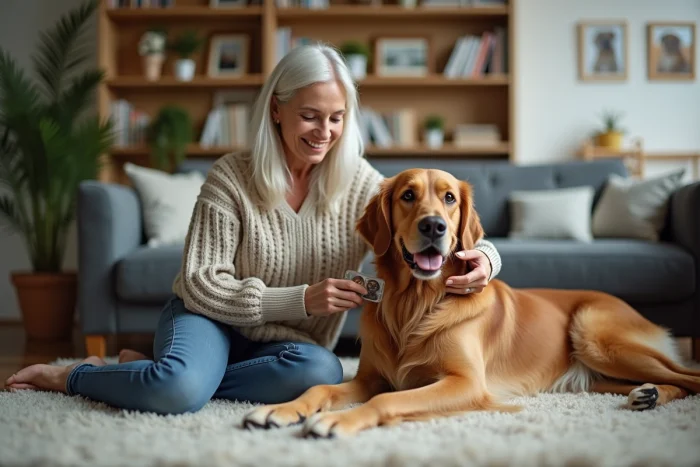
Initially developed to treat epilepsy in humans, gabapentin is now increasingly prescribed to dogs, and sometimes even to cats, for various indications. Its use is no longer limited to neurological disorders and now also addresses chronic pain management and anxiety states.
Recent studies and numerous testimonials from pet owners confirm a shift in the perception of this medication. However, the variability in responses and frequent dosage adjustments require constant vigilance from veterinarians.
Gabapentin: what is it used for in dogs and cats?
Gabapentin has carved out a unique place in the daily practice of veterinarians. Initially reserved for the treatment of epilepsy, it quickly established itself as a solution for alleviating neuropathic pain and relieving chronic pain in both dogs and cats. Its effect: to act on the central nervous system by modulating calcium channels, thereby slowing the transmission of pain signals or epileptic seizures that disrupt animal life.
There are many situations where gabapentin is used: arthritis in aging dogs, herniated discs, or behavioral issues such as stress, anxiety, or aggression. In cats, it also helps manage tense moments, especially during veterinary visits, thanks to its anxiolytic effect. This medication is often added to other analgesic treatments or takes over when the pathology requires it.
To better understand the benefits and risks of gabapentin, there is a valuable resource. On the page “ gabapentin dog reviews on Animal Time”, owners and experts share their concrete experiences: improvements in mobility, better daily life, anxiety management. The stories often converge: used judiciously and under the careful eye of the veterinarian, gabapentin transforms the lives of animals facing pain or behavioral issues. However, each case requires careful dosage adjustment, guided by the practitioner.
How to properly use gabapentin for your pet: practical advice and precautions to know
Using gabapentin in dogs or cats is not something to be improvised. This treatment, recommended for neuropathic pain, arthritis, or behavioral disorders, always begins with a precise veterinary prescription and a meticulous adjustment of the dosage. The dose to be administered depends on the weight, age, nature of the disease, and the individual reaction of each animal. Generally, for a dog, it is around 5 to 10 mg/kg, to be repeated two or three times a day. Several forms are available: tablets, capsules, liquid solution, allowing for an administration choice suited to each case.
Gabapentin can be given with or without food, but taking it with a meal often limits minor digestive issues. Here are the side effects that owners most often mention:
- Sedation or drowsiness, especially at the beginning of treatment
- Loss of coordination, sometimes noticeable during the first doses
- Hypersalivation or minor digestive issues, of varying intensity
- Weight gain in some animals, to be monitored over time
- More rarely, a decrease in heart rate
In dogs or cats suffering from renal or hepatic insufficiency, the medication should not be used. In all cases, stopping gabapentin should be done gradually, in close collaboration with the veterinarian, to avoid the onset of withdrawal symptoms. Interactions with other medications, particularly opioids or tramadol, require heightened vigilance. While gabapentin is not a universal solution, it remains a comfort tool, to be handled with rigor and care, always under medical supervision.
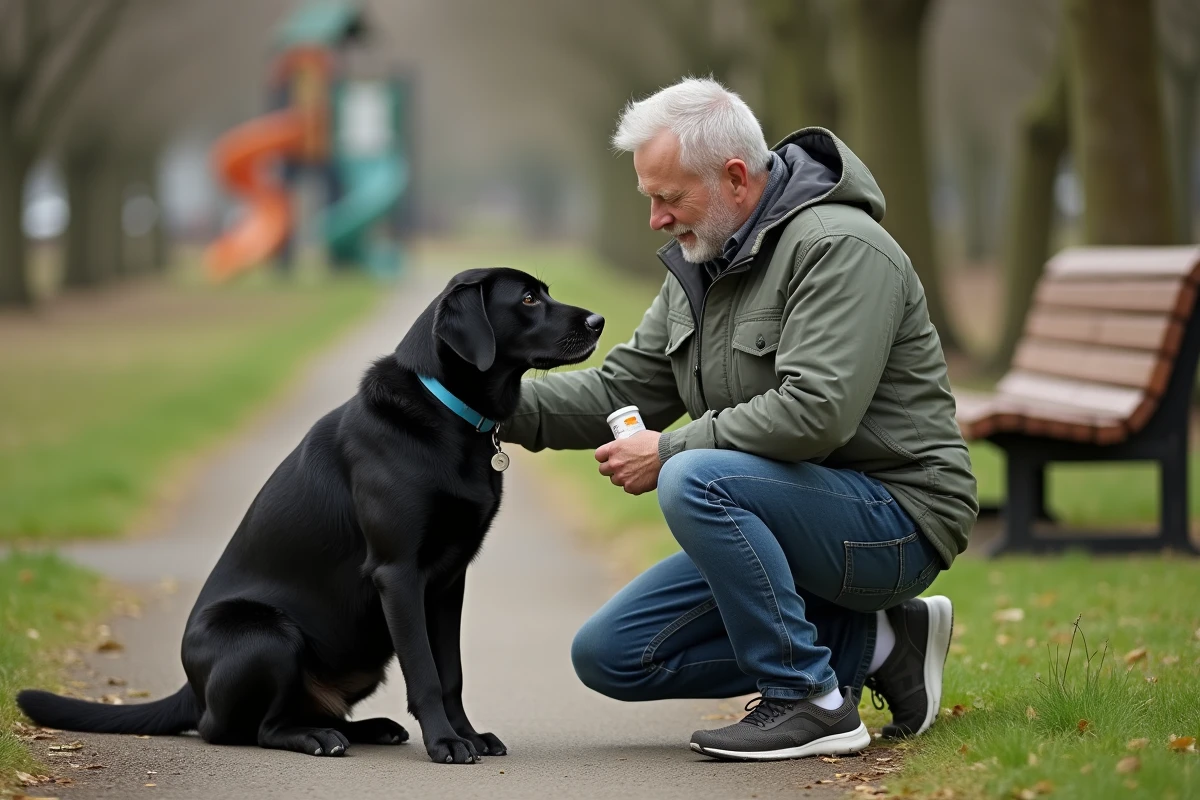
Owner experiences: testimonials and feedback on gabapentin
Owner feedback forms a true common thread around gabapentin. Many recount the changes observed in their companions: dogs who, under the treatment, regain forgotten mobility, venturing out again during walks, freed from chronic pain or arthritis. A notable case? A dog, previously withdrawn in its suffering, that begins to explore the garden again, tail up, as if rejuvenated.
Sedation is one of the most frequently reported effects during the first week. Some animals seem tired or less alert, but most regain their energy as their bodies adapt to the treatment. When it comes to administration, there are plenty of tricks: capsules slipped into a treat, tablets hidden in food. The experience varies according to the sensitivity of the animal: sometimes, there is a weight gain or mild digestive issues, often temporary.
In situations of intense stress, such as a visit to the veterinarian, gabapentin also proves to be a support. Anxious dogs suddenly become calmer, consultations proceed without excessive tension, and owners notice a clear difference in their animal’s behavior. This feedback confirms that the treatment is never neutral: it is part of a collective approach, where ongoing dialogue with the veterinarian makes all the difference. Calmer animal lives, strengthened relationships: gabapentin, used judiciously, continues to reshape the daily lives of many households.