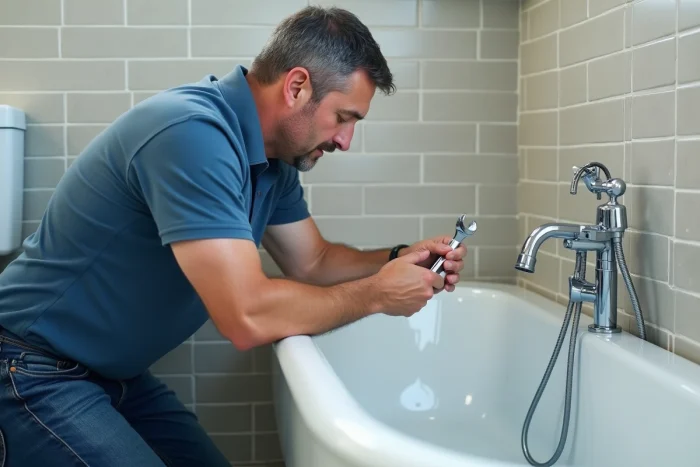
A thermostatic mixer can stop regulating the temperature correctly despite recent installation or regular maintenance. The accumulation of limescale spares no model, even among the most expensive, and a simple cleaning is not always enough to restore optimal functioning.
Why a thermostatic mixer gets stuck or calcified: understanding common causes
The thermostatic mixer supervises the management of flow and temperature in the bathroom. Even the latest models are not immune to failures. Often, it is the water quality that dictates the longevity of the device. Hard water, rich in limescale, accelerates the formation of deposits on the thermostatic cartridge and affects the adjustment handle. The result: the mechanism gradually seizes up, the temperature becomes erratic, and the flow decreases.
Limescale is not the only culprit. The O-rings also deserve regular attention. Worn out, they allow water to pass through and cause leaks. It is recommended to change them every two to three years to maintain tightness. The thermostatic cartridge, the central part of the device, has a lifespan of between five and ten years. Without a water softener or impurity filter, it clogs up more quickly and eventually requires disassembly to restore its function.
Limescale can also block the adjustment handle and make temperature adjustment uncertain. As for the aerator, this small component screwed onto the faucet outlet, it slowly clogs and eventually limits the flow. If the pressure varies without reason or the temperature fluctuates, it is often because the body of the mixer or the cartridge is obstructed.
In the face of these symptoms, there are tips for maintaining a thermostatic mixer that focus on consistency and method. These simple actions, based on observation and prevention, can prevent many breakdowns and extend the lifespan of your installation.
Detailed steps to safely disassemble, clean, and reassemble your shower mixer
Before starting, it is imperative to turn off the water supply. Gather the necessary tools: adjustable wrench, screwdriver, pliers, clean cloths. Prepare a container to store small parts and some white vinegar for the cleaning operation.
The disassembly begins with the adjustment handle. Depending on the brand, this may involve removing a plastic cover to access the screw, or simply unclipping the handle. An Allen key or specific screwdriver allows you to remove the fixing screw. Once the handle is removed, the thermostatic cartridge is revealed. A nut holds it in the body of the mixer: unscrew it carefully, without forcing to preserve the threads.
Place the cartridge in a container filled with warmed white vinegar for about thirty minutes. This bath dissolves the embedded limescale, clears the internal passages, and restores flexibility to the system. Check the O-rings: if they are deformed or cracked, replace them. A touch of silicone grease will ensure their effectiveness during reassembly.
Before replacing the cartridge, check the inside of the faucet body and clean it with a soft cloth to remove any remaining residues. Reassemble each element in the reverse order of disassembly. Tighten the fixings without excess, replace the handle, and then reopen the water supply. A test of the flow and temperature completes the operation and confirms the proper functioning of the whole.

Quick fixes and tips for a long-lasting mixer
To maintain the performance of your thermostatic mixer, it is essential to implement a few simple but effective gestures into your maintenance routine. After each use, running a bit of cold water helps limit the attachment of limescale on the internal components and prevents the cartridge from seizing. Occasionally operating the temperature control, even when the shower is not in use, also helps keep the mechanisms moving.
Here are some useful recommendations to follow to avoid many inconveniences:
- Inspect the O-rings every two to three years and replace them if their condition is unsatisfactory. A touch of silicone grease prolongs their effectiveness.
- Regularly clean the aerator, this discreet component screwed onto the end of the spout, whenever the flow decreases or water splashes. A simple soak in white vinegar followed by rinsing is sufficient.
- Consider installing an impurity filter upstream of the mixer to protect the cartridge from abrasive particles and invisible deposits.
- If your network’s water is particularly hard, installing a water softener significantly reduces interventions and preserves your equipment in the long term.
Keep an adjustable wrench, a set of new O-rings, and a bottle of white vinegar on hand. A consistently maintained mixer promises a shower without any unpleasant surprises. Small gestures prolong great comforts, and the bathroom remains a space where technology gives way to regained serenity.