
Nothing is more volatile than a Facebook account: it only takes a moment of inattention, a click on the wrong link, and everything changes. Accounts fall, sometimes without a sound, victims of methods that are constantly reinventing themselves. Malicious administrators operate in disguise, outsmarting the protective mechanisms that were thought to be reliable. Each attack is a laboratory, each hijacking a step further in the race for vulnerabilities.
On the fringes of official procedures, some circumvent the rules, betting on temporary gaps, or relying on confidential tools. In the face of this escalation, maintaining control requires heightened vigilance: monitor, strengthen, react. These are now the only barriers against the rising tide of hacking techniques.
Recognizing the signs of a hacked Facebook account: what to watch for
Spotting a hacked Facebook account is never simple. Most signals are subtle, some go completely unnoticed. Cybercriminals target Facebook methodically, on the lookout for every flaw to take control and make the most of the recovered data. Once the account is compromised, hackers quickly change the main contact details: email, phone number, everything disappears, making recovery much more difficult.
The consequences are swift. For some, it’s strange messages sent to their contacts, often littered with dubious links or unusual requests. Others discover posts they never wrote, or see advertisements and scams proliferating, their name displayed without their consent. When hacking affects a business account, the risk expands: control of pages, diverted campaigns, and a whole host of frauds via Meta Business Suite or Business Manager.
To understand all the methods used, this article hacks a Facebook account step by step details the tactics and modalities, sharpening your vigilance.
Here are some signals that should immediately raise alarm:
- Login notifications from unknown devices or unusual locations
- Sudden changes in account security: password, email, or phone number modified
- Messages and posts appearing out of nowhere, accompanied by dubious links or too-good-to-be-true promises
- Access denied despite correct entry of credentials
The loss of control can also manifest as the disappearance of certain administrative accesses. At the slightest alert, gather as much evidence as possible: screenshots, messages from friends, details on modified settings. The more precise elements you collect, the easier it will be to trace the path. Integrating regular checks of security settings into your routine is the only way to stay one step ahead.
Recovering your account: key steps to regain control and remove malicious access
When a Facebook account hack occurs, an entire life, private and sometimes professional, is turned upside down. Reactivity and method are your assets. First step: use a familiar device to connect to the Facebook help page. This facilitates identity verification and speeds up the process. If access is not completely blocked, immediately change the password and scrutinize the security settings.
Adopt the following habit to clean up your digital space:
- Remove any unknown contacts added to your email or phone number
- Identify and disconnect any suspicious sessions among connected devices
- Enable two-factor authentication (2FA) to raise the security level at each login
Be sure to alert your loved ones quickly: they may be the first to receive fraudulent messages sent without your consent. If complete locking has already occurred, carefully follow the recovery procedure provided with the address or number prior to the attack. If unsuccessful, then go through the Facebook Help Center, armed with all the gathered evidence.
In France, the law provides for severe criminal penalties for any use of spy tools or unauthorized access. Don’t hesitate to contact the authorities: file a complaint with France Victimes, approach the gendarmerie, or use the THESEE platform. Suspicious emails, screenshots, unusual conversations, every piece counts in the defense process.
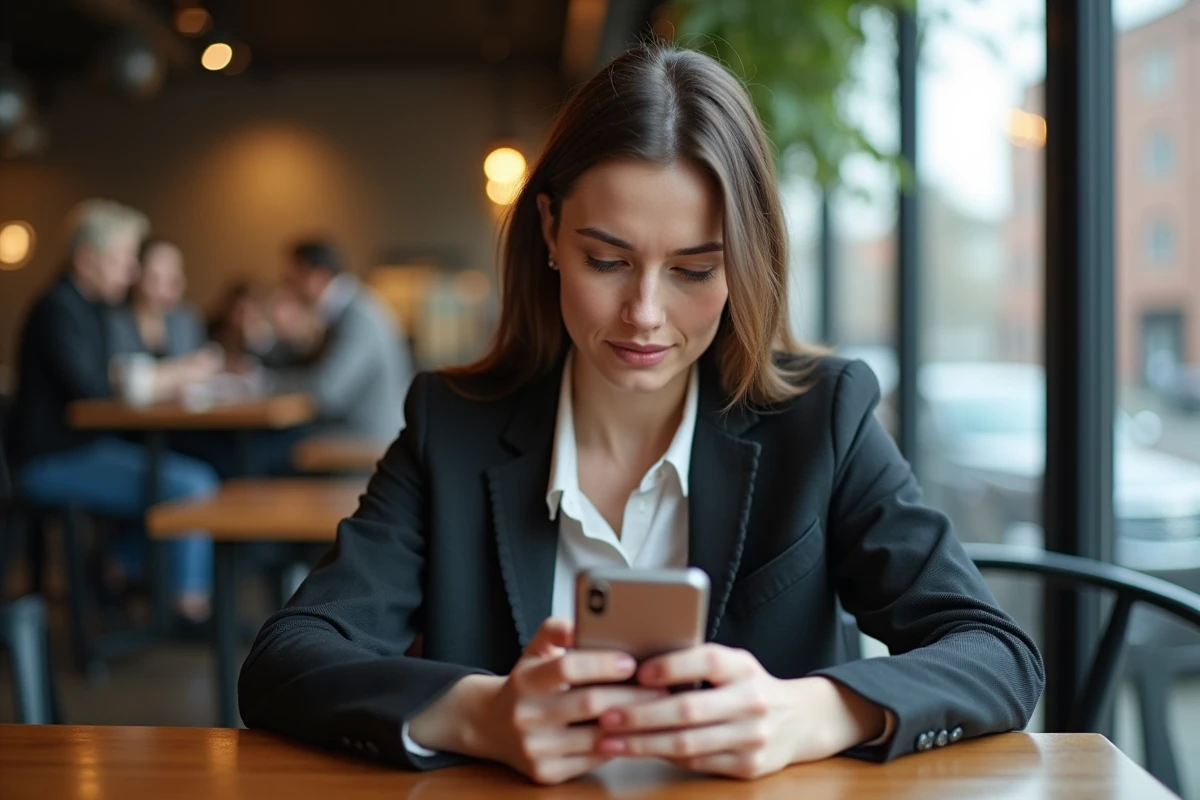
Understanding new hacking methods and strengthening the security of your profile
The techniques for hacking Facebook accounts are evolving rapidly. Hackers are constantly experimenting with new traps, from phishing to brute force attacks, through subtle phishing or the installation of spyware. The most formidable countermeasure: the fake login page, perfectly imitated through the “browser-in-browser” maneuver, which stealthily steals your credentials.
Some have gone further: PASS FINDER facilitates the recovery of stolen passwords, while the Facestealer app, discovered on the Play Store, has quietly drained accounts en masse. Scam networks rely on the infrastructure of recognized platforms like Netlify or Vercel to host their traps. Not to mention URL shorteners, perfect sieves for passing off fraudulent links unnoticed.
To concretely strengthen the cybersecurity of your account, impose measures that make a difference:
- Always enable two-factor authentication: this blocks the majority of illicit access right from the start
- Avoid any third-party applications that have not been validated or seem suspicious
- Regularly inspect your Facebook security settings: every detail counts
Monitor your private messages and be wary of overly flattering offers, a favorite trap of scammers. At the slightest exploited flaw, a chain of malicious actions is triggered. The key: constant vigilance, made up of simple habits and regular checks. Mastering your online presence means no longer having to fear seeing your digital identity kidnapped at the slightest lapse in attention.